litecoins
The Silver Standard: The Incredible Journey of Litecoin
In the high-octane world of digital finance, where legends are born in code, one name stands as a testament to enduring innovation: Litecoin (LTC). Often hailed as the "silver to Bitcoin's gold," this pioneering cryptocurrency didn't just follow in the footsteps of its predecessor—it carved out a faster, more accessible path for the entire world!
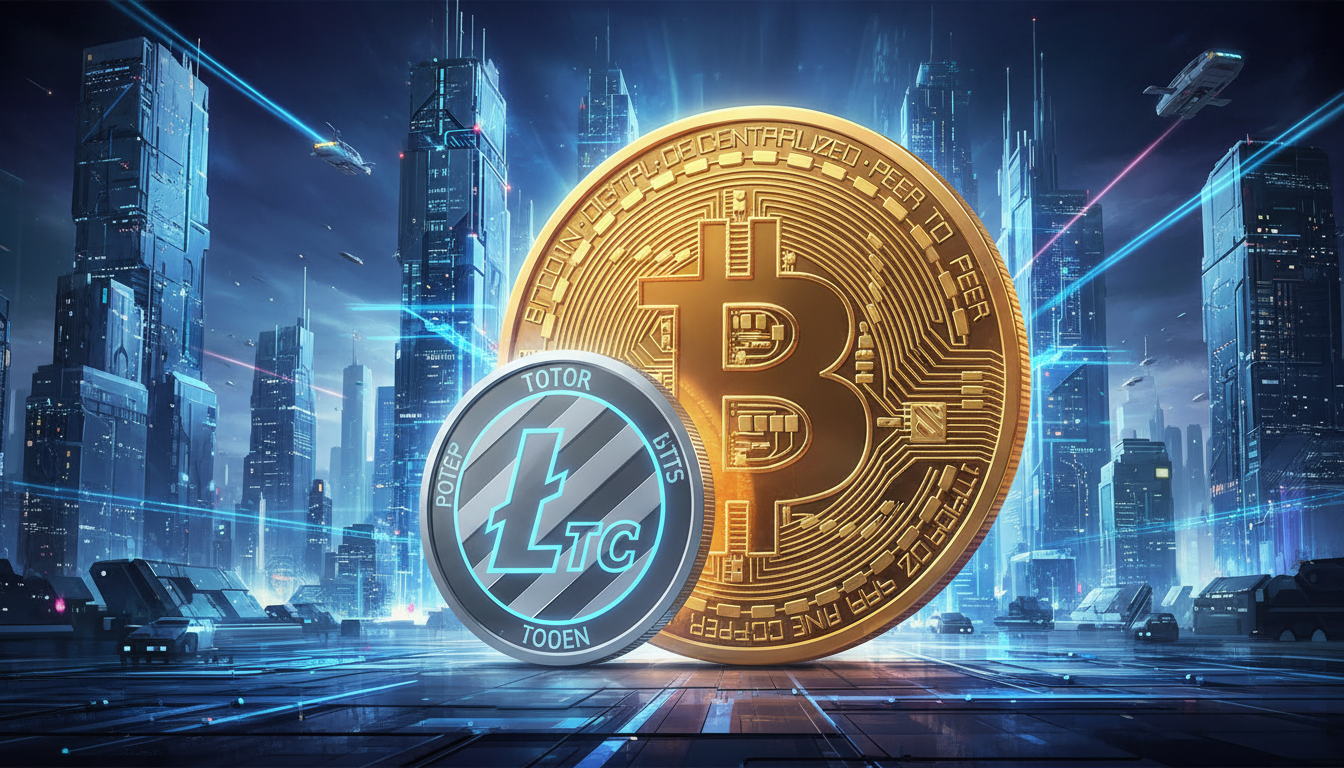
The Dawn of a New Era
The story begins back in 2011, a time when the Bitcoin network was undergoing a massive transformation. Mining was shifting away from everyday CPUs and into the hands of powerful GPUs, creating a barrier to entry that worried many enthusiasts. The community yearned for a way to keep the dream of decentralized mining alive for everyone.
Enter Tenebrix, a project that swapped Bitcoin’s SHA-256 algorithm for the "scrypt" function. This was a game-changer! Scrypt was designed to be memory-intensive, making it much harder for specialized hardware to dominate. However, Tenebrix faced backlash over a controversial "pre-mine" clause. Sensing a need for a truly fair alternative, a visionary Google engineer named Charlie Lee stepped onto the scene.
Lee first developed Fairbrix, and from those lessons, he crafted the masterpiece we know today: Litecoin. On October 7, 2011, the world received the gift of the Litecoin open-source client, and by October 13, the network was officially live and breathing!
A Faster, Sleeker Blockchain
Litecoin wasn't just a copy; it was a revolution in efficiency! By forking the Bitcoin Core codebase, Lee and his team introduced brilliant modifications. They slashed the block generation time to a lightning-fast 2.5 minutes—four times faster than Bitcoin! This meant transactions could be confirmed with incredible speed, making it a dream for daily use.
With a maximum supply of 84 million coins, Litecoin offered a more abundant digital asset while maintaining the scarcity that gives decentralized currency its value. It was the perfect companion to the broader ecosystem, paving the way for later innovations seen in high-speed networks like Solana.
Years of Growth and Excitement
The years that followed were nothing short of spectacular! By 2013, Litecoin was catching fire, experiencing a breathtaking 100% surge in value within a single 24-hour window. As the industry matured, Litecoin continued to lead. In 2014, it embraced "merge mining" with Dogecoin, a brilliant move that bolstered the security of both networks.
The momentum didn't stop there. In 2020, the financial giant PayPal brought Litecoin into the mainstream spotlight, allowing millions of users to engage with it alongside Bitcoin and Ethereum. While the journey had its share of wild moments—like a 2021 hoax involving a fake Walmart partnership that sent prices soaring—the community’s passion remained unshakable.
The Privacy Revolution: MWEB
In May 2022, Litecoin reached a monumental milestone with the activation of the Mimblewimble Extension Blocks (MWEB) upgrade. This was a massive win for user sovereignty! Through this soft fork, users gained the option to send confidential transactions, keeping their financial details private between the sender and receiver. It was a bold step forward in financial privacy, ensuring Litecoin remains at the cutting edge of blockchain technology.

Why Litecoin Stands Tall
Today, Litecoin continues to shine as a beacon of reliability. While newer platforms like Ethereum focus on smart contracts and Solana pushes the limits of throughput, Litecoin remains the gold standard for fast, low-fee payments. With a robust infrastructure supported by vendors like BitPay, it is more than just a digital asset—it’s a global payment powerhouse!
From its humble beginnings as a CPU-friendly alternative to its current status as a privacy-preserving giant, the story of Litecoin is one of constant evolution and unbridled enthusiasm. The silver standard is here to stay!
Comments
Post a Comment